
Issue 170 | Summer & Fall 2026
Winner of the 2026 Reginald Gibbons Editor’s Prize for Short Fiction
2026 Reginald Gibbons Editor’s Prize for Short Fiction Runner-up
Beneath the earth’s crust are giant diamonds
Blue, they think, the size of a human brain
But nobody’s gone past eight miles below
Or less than ten percent of that layer
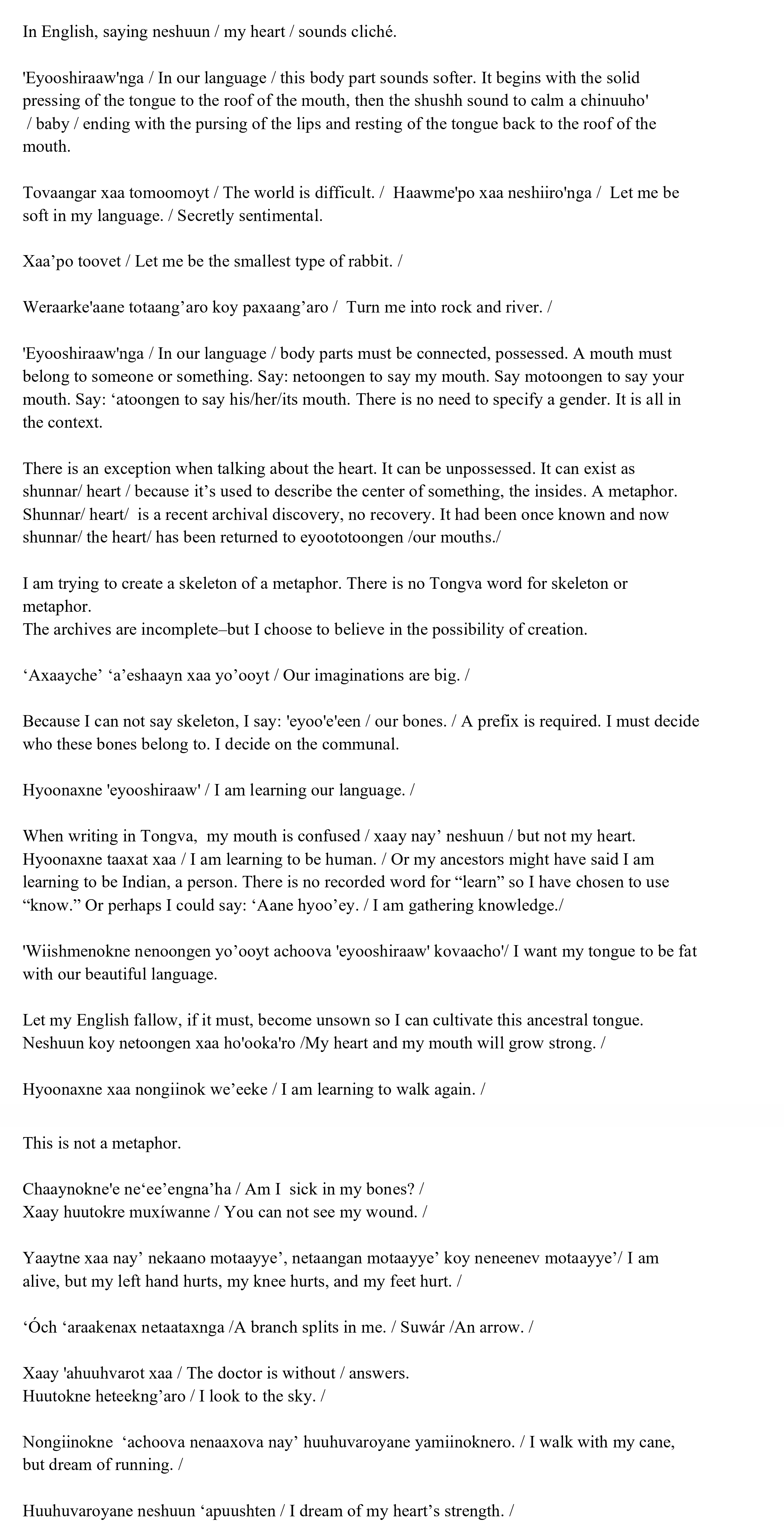
In English, saying neshuun / my heart / sounds cliché.
It's another month, and I'm trying to remember, collect everything I forgot.
I often find myself alone, sitting or reclining, and then picking carefully from a row of memories as I would nicely, stacked music cassettes on a shelf. It is always about which tapes of memory matter, which moments will keep me engaged as I spend hours feasting on their chords, notes, and rhythms.
I don’t have a date for tonight, but there’s a boy who seems to enjoy my company, and I enjoy his right back. I want to line dance and shake hips on the dance floor with this boy, but my bladder is almost full, and I swear I’ll only be a minute.
Issue 169 | Winter & Spring 2026
A group of nudists were traveling to Simmons to be naked near Lake Ivan. Jerry read about it in the paper, or saw it on the news, and he was telling me about it as I tried to parallel park out front of our daughter’s school. We’d been called in because Brigid’s teacher wanted to speak with us. And the principal. And the school counselor.
Harper was being declawed, the stainless-steel clippers snipping her nails to pathetic nubs. According to her mother, it was for her own good—Harper couldn’t stop scratching. Lately, she was always scratchy. Plagued by a deep-down itch that seemed to pulse from her bones. Or her organs, maybe. Somewhere her skin wouldn’t let her reach. She was constantly itching herself.
I was four foot, one
caterpillar. Black hair
all tussle & God-talk.
Slim prayers pop-flying
from this gone bad fruit
for mouth. I stayed low.
Played king to the crickets.
I was salt lick. Spoonfed.
Wednesday might be my favorite day.
All the bakeries in Berkeley open and
with a little conviction you can persuade
the guard you belong on the manicured
lawn of the tennis club, and maybe even
join the ladies and their ten-brim visors
for a sandwich of jambon and Gruyère.
Everyone knows it takes more than one exit to disappear. It’s too easy to pull someone back in over a single threshold; to escape, you need a path so littered with doorways and arches that once you pass through and keep walking, there’s no going back. And no one can find you.
I walk down the blaring avenue, across Klingle Valley Bridge, past condo buildings and side-street bungalows to the place where pavement dead-ends and forest begins. A flock of blackbirds whirls from a leafless tree, swooping and soaring above me and everything. Down the path I go toward Rock Creek. The air smells fertile, of winter’s rot and mold come clean and soil freshly remade.
Recent Issues
168
Summer & Fall 2025
167
Winter & Spring 2025
166
Summer & Fall 2024

The Latest Word
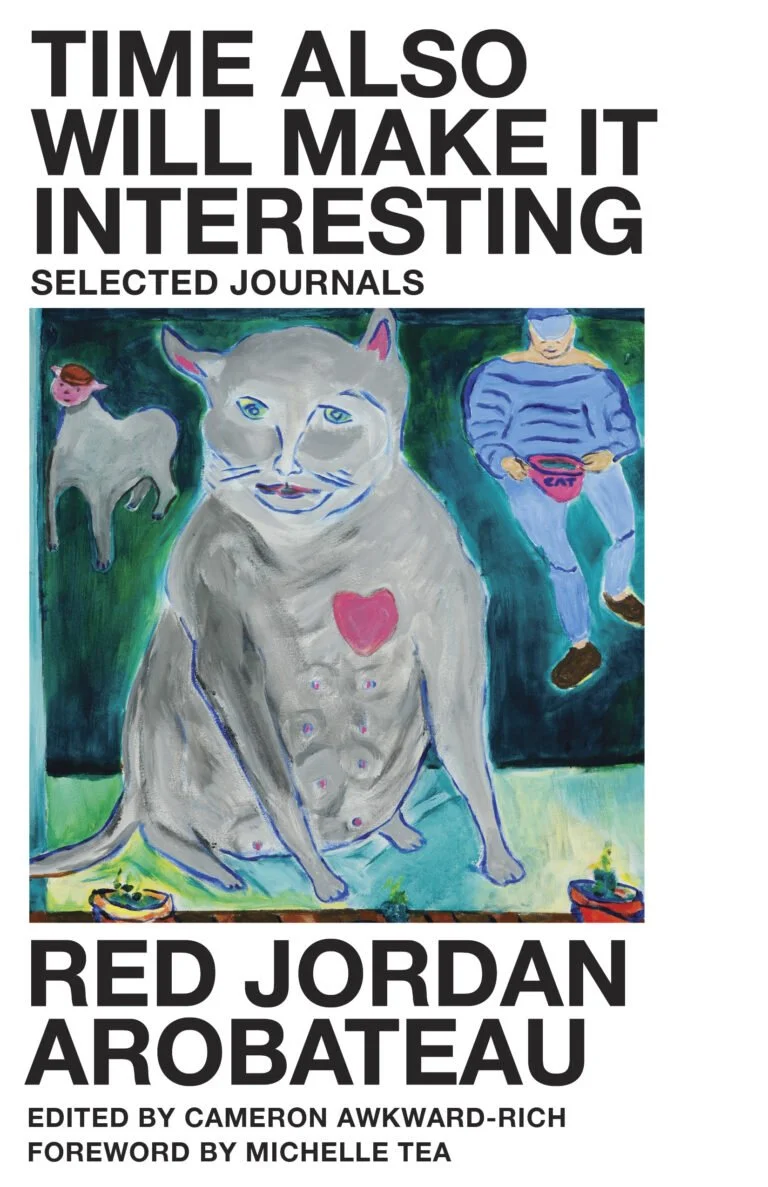
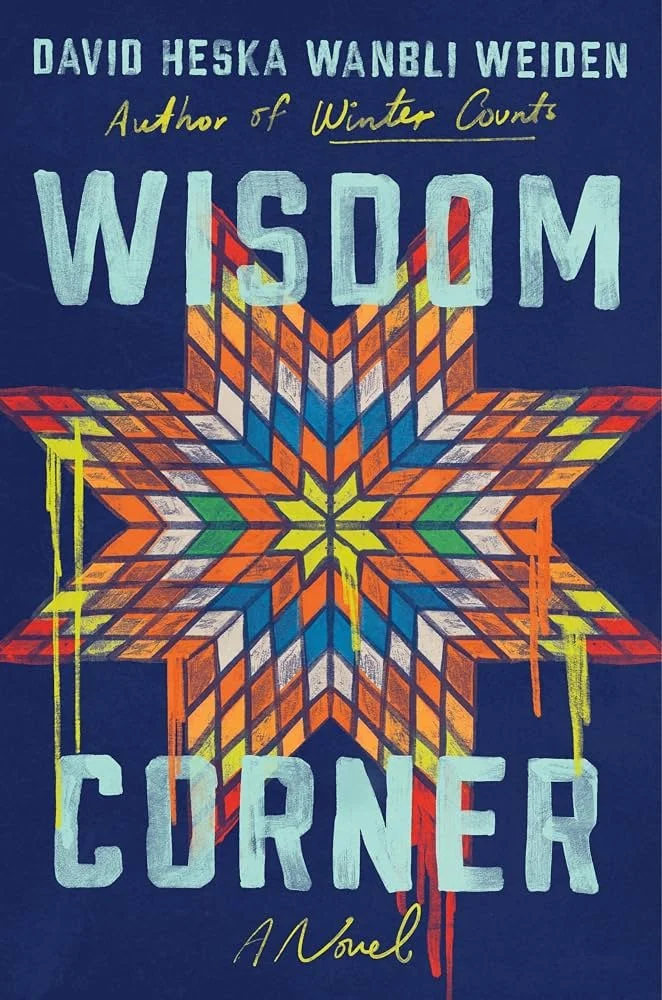
“As the writing progresses, I also think about image patterns and thematic elements. By the end of the process, all of these components have hopefully combined to create a novel that’s not only entertaining, but one that also illuminates in a uniquely Indigenous way.”
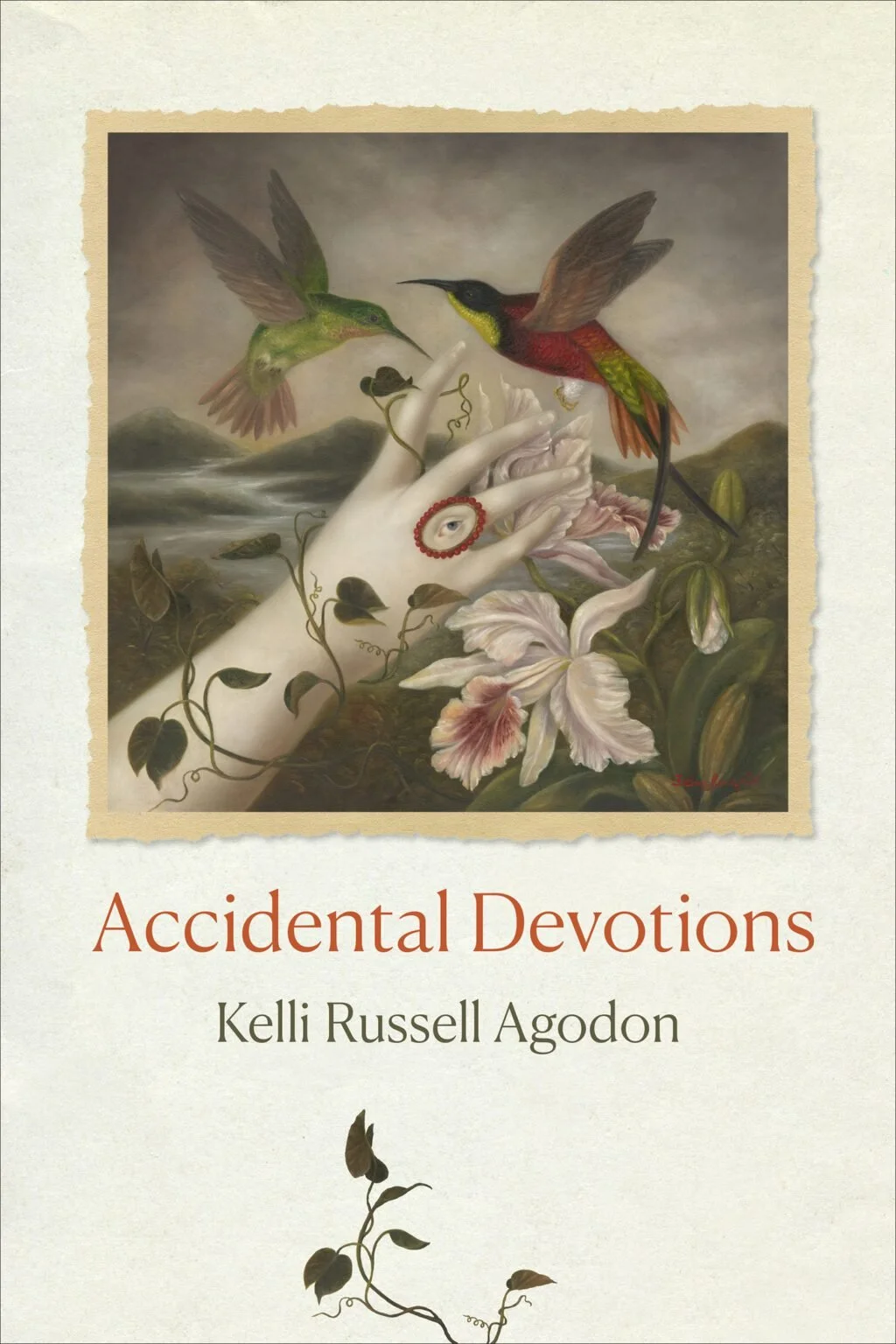
This interview is the final installment of a three-part interview series. Please head to Part One and Part Two to read more.
This interview is the second installment of a three-part interview series. Please head to Part One to read more.
My Colombian aunties often insisted that I came from literary stock. As a child, I was dubious. My mother had not finished high school. She had been raised in a small village, in a family of twelve children. In New Jersey, I was the translator for her and her three sisters. None of us had stepped foot in a bookstore. But the aunties insisted we all had a great literary heritage, and for evidence, they pointed to Gabriel García Márquez, who was awarded the Nobel Prize in Literature in 1982, and whose novel One Hundred Years of Solitude became the basis for a Netflix series in 2024.