Issue 170
Summer & Fall 2026
-
Dear readers,
Welcome to the 170th issue of TriQuarterly, a number that both amplifies the magazine’s past, while also foretelling its near future. In two years, TriQuarterly will be 70 years old, which is to say TriQuarterly has been present for, and has contributed to, etching entire eras of literature into ink. If you haven’t had a chance to delve into our archives, I highly recommend sifting through the history accumulated in those pages. Commune with the ghosts– read works from both enduring authors and those whose names have been lost to time. Delight in all the serendipitous ephemera: the long-forgotten business ads, the secret notes in the margins, all of which Joshua Bonsack documents in more detail in his Editor’s Note for Issue 161.
Reading through the archives always reminds me of how glimmers of the past still exist at the periphery of our current lives. I’ve found that there’s a stillness, or perhaps a deep focus, needed to look at the past head-on. Sometimes we stumble upon these apparitions, sometimes they require sifting through family relics, or perhaps something stickier, like the compost heap. But don’t be mistaken, the compost heap, like all history, is very much alive and writhing.
This preoccupation with history and memory hums throughout Issue 170. There are works in this issue that invoke ghosts outright – in Martin Piñol’s essay “Remember-telling” the speaker shares fragments of memories involving his grandparents, retelling family stories of ghosts, grenades, graves unearthed. Stories told and retold until the stories themselves becoming ghosts that haunt the speaker, and like “a bird who took what was in their reach and fled to the sky,” the speaker tries to connect all the fragments, even when it seems impossible.
Brittany Price’s short story “Fate Weaver” is told from the perspective of a ghost who haunts her sister, husband, and daughter, often interacting with them, more often watching their lives continue on, and occasionally attempting to intervene when she disagrees with their life choices. This story, in many ways, is about inheritance.
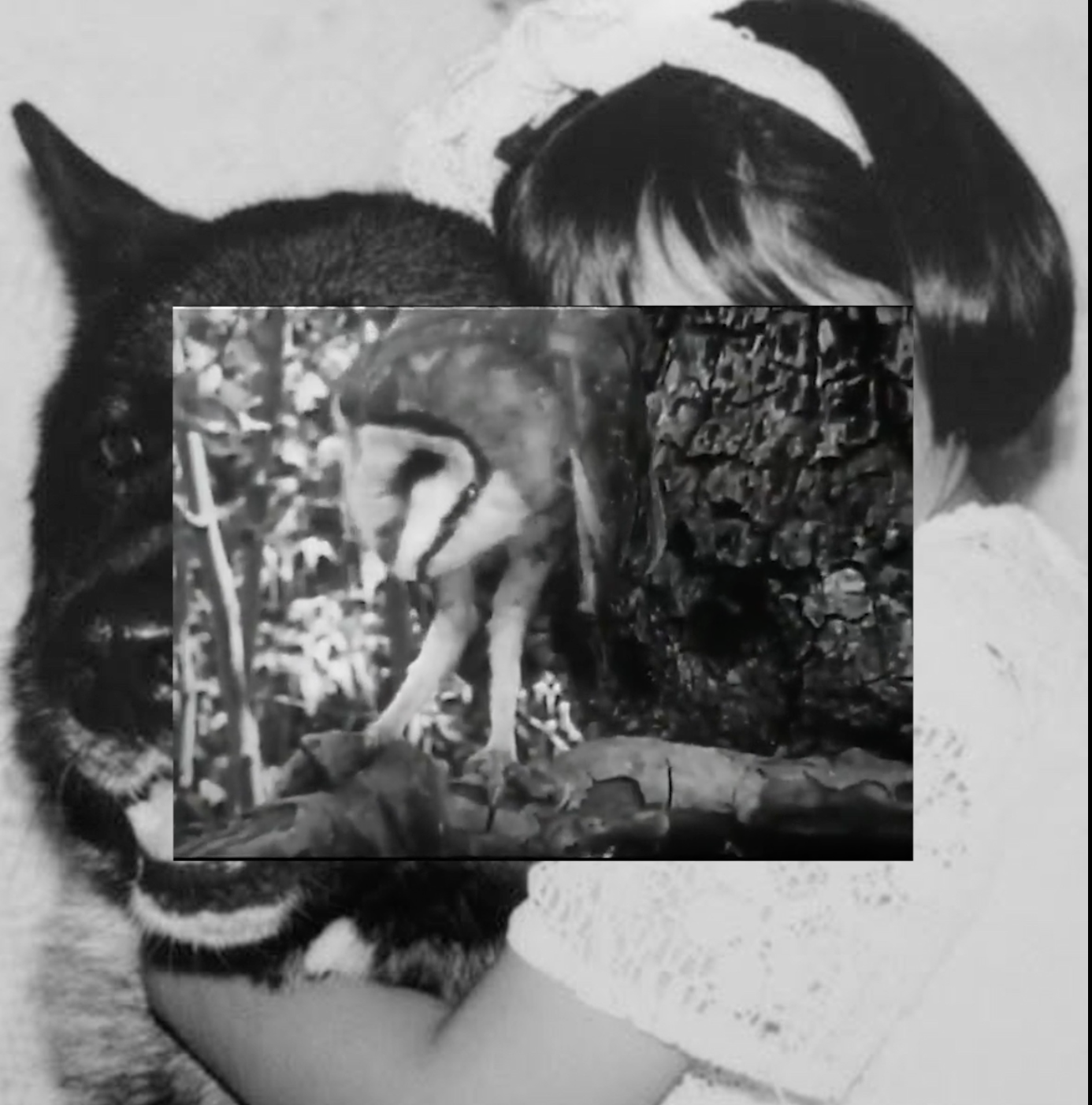
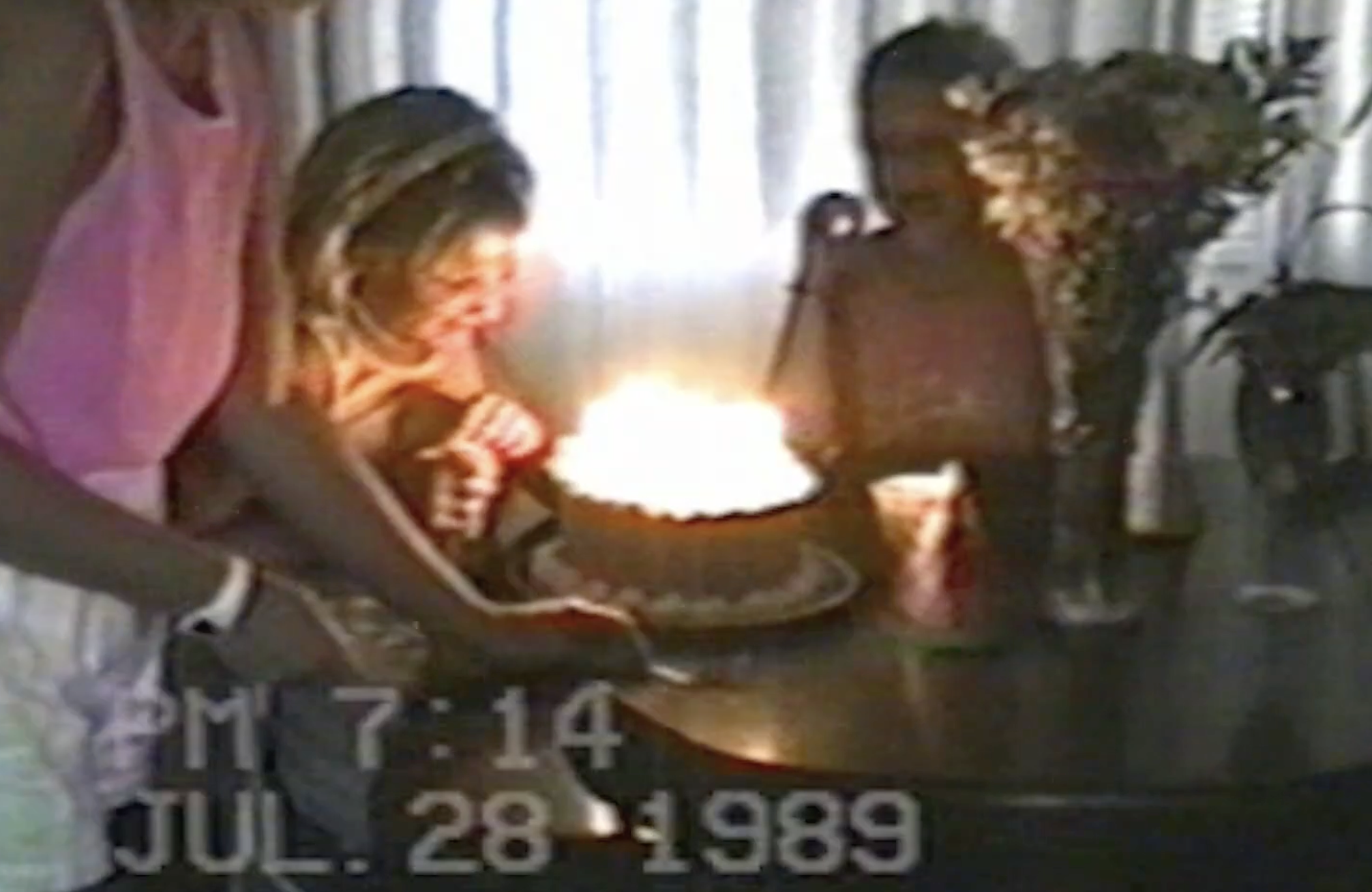
There are other works that invoke ghosts indirectly through memory, either of the dead or of past selves. All three of the films included in Issue 170– “The Wound of Time,” “Blur Diary,” and “designs of survival”– engage with footage or photographs from the speaker’s childhood, in varying degrees of visual and cerebral fuzziness. Described as “Diary films” by Video Editor Hannah Bonner in her introduction, you can fell the vulnerability of these works buzzing with the static of the worn footage. In her film “Blur Diary” Julia Anna Morrison shares memories of her childhood alongside home videos of her brother, who died when she was young. Of the family videos, the narrator says “It’s not really him, I realize, but they are precious to me because I can see him, I can face him, look at him.”
This theme of vulnerability and intimacy extends, and can be felt, throughout Issue 170. I want to share a few excerpts from various works, across all genres, to create a sense of togetherness in this feeling…
“Tovaangar xaa tomoomoyt / The world is difficult. / Haawme'po xaa neshiiro'nga / Let me be soft in my language. / Secretly sentimental.” – Casandra Lopez
*
“I wonder if there are people like me who spend half their days replaying memories but always find a way to let moments slip by them.” – Chidiebube onye Okohia
*
“light-years away the steady movement of celestial bodies, just missing each other” – Emily Huso
*
“And I spill at the sides, and over the edge, and I cannot catch myself.” – Courtney Elizabeth Young
*
“One day, you open your eyes, and can never close them again.” – Sloan Asakura
*
“Big sister, language cannot save me.” – Kabel Miska Ligot
*
“I want to be Asian enough. Enough to be claimed, so that we might together share a solitude.” – LiXin
*
“I imagine that I am otherwise than I imagine.” – Chelsea Dingman
*
I wish I could include every work from Issue 170 in this letter, but I will leave the rest for you to discover on your own, to form your own dreams about. Every work in this issue is ineffably magical, mysterious, like the invisible diamonds far underneath the earth’s surface in Rodrigo Toscano’s poem “Factoids.”
Thank you to our team of brilliant editors– Hannah Bonner, Starr Davis, Dan Fliegel, Jennifer Companik, Patrick Bernhard, Emily Mirengoff, and Laura Joyce-Hubbard– whose hard work and discerning literary tastes are the reason TriQuarterly is able to showcase such a stellar lineup of artists.
Thank you to advisors Colin Pope, Sarah Shulman, and Northwestern’s English Department for your continued support and generous guidance.
Lastly, I want to thank all of our readers, both decades-long subscribers and new visitors, for taking the time to read the issues we so carefully put together. We are so grateful for your attention, your care, and your curiosity.
With gratitude,
–Jess Masi, Managing Editor
MASTHEAD
Managing Editor: Jess Masi
Faculty Advisor: Sarah Shulman
Staff Advisor: Colin Pope
Film Editor: Hannah Bonner
Fiction Editors: Jennifer Companik, Emily Mirengoff, Patrick Bernhard, Laura Joyce-Hubbard
Nonfiction Editor: Starr Davis
Poetry Editor: Daniel Fliegel
Social Media Intern: Alyson Font
Readers: Terry Brennan, William Ward Butler, Daylyn Carrigan, Eleanor Colligan, Amanda Dee, Kristi Ferguson, Alyson Font, Nathaniel Forester, Tommy Hahn, Cindy King, Susan Lerner, Xenia Leviyah, Jim Luchetta, Kate Malczewski, Jessica Manack, Jenna Mather, Monterey Mecham, Claire Moacdieh, Sarbani Mukherjee, Andi Myles, Amanda Norton, Paula Nwosu, Pedro Pedroza, Lauren Short, Kelsey Werkheiser, Jeremy Wilson, Tanya Young, Eileen Zampa, Emma Zimmerman
Image from Blur Diary by Julia Anna Morrison